
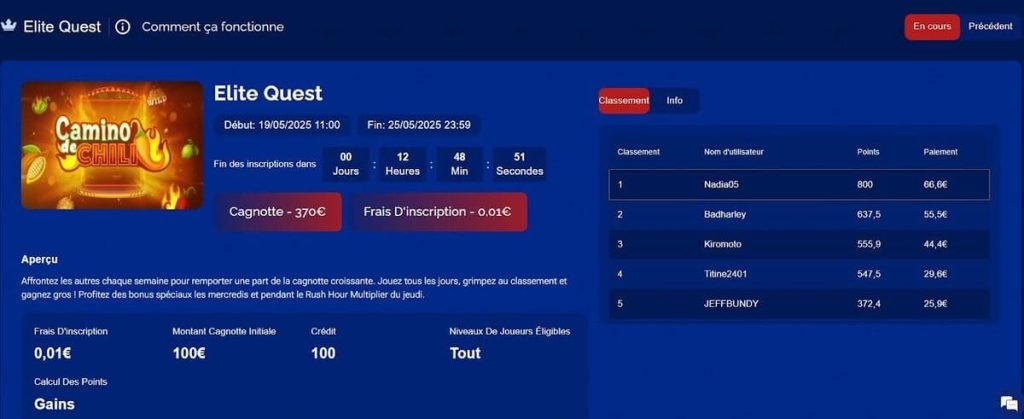
We devoted four full weeks putting Elite Casino’s deposit and payout methods via their paces, assessing each method with real Canadian dollar transfers. Our staff initiated accounts, finished verification, and moved funds back and forth through Interac e‑Transfer, Visa, Mastercard, MuchBetter, and ecoPayz. We recorded processing times to the minute, logged every cost that appeared on statements, and recorded how the cashier interface performed on both desktop and mobile. The goal was not just to ensure that payments went through, but to comprehend the issues, transparency, and overall dependability a gambler in Ontario or British Columbia would truly face. We purposely activated verification flags, reached out to support with specific payment queries, and monitored how pending durations stretched under different conditions. What surfaced is a detailed picture of a banking ecosystem that harmonizes speed against regulatory caution, and broad acceptance against regional constraints. The following report is constructed entirely on those logged events, presented in first‑person plural to mirror the collaborative nature of our testing team.
Contents
Range of Deposit Methods We Examined
Our preliminary deposit round covered five different payment channels, each funded from Canadian bank accounts and prepaid tools casinoelite.eu.com. Interac e‑Transfer became the most obvious choice for our team right away, given its widespread use across Canada and the absence of card network fees. The cashier generated a distinct email address and security question within seconds, and the funds appeared in our Elite Casino balance before we could close the banking app. Visa and Mastercard deposits went through similarly fast, though we noted that a certain number of Canadian credit issuers still block online gaming operations, a hurdle that forced us to switch to a debit card for one test. MuchBetter and ecoPayz both worked smoothly, with the former offering a tap‑and‑go mobile verification step that felt especially fitting to smartphone‑first users. Minimum single deposit limits sat steadily at C$15 across all methods, while the maximum per transaction varied between C$500 for card payments and C$3,000 for Interac. We appreciated that the deposit screen dynamically greyed out any option temporarily inaccessible due to regional maintenance or risk checks, removing the guesswork that often affects other platforms.
During our second round of deposits, we intentionally tested edge cases like near‑simultaneous card authorizations and funding from a joint account. The system managed the concurrency without freezing, and on one occasion we received an automated email asking us to confirm the second transaction as a security measure; the deposit cleared immediately after our confirmation. No hidden charges appeared on the casino side, though our bank statements revealed a standard international transaction fee on one Visa deposit processed outside Canada, which Elite Casino’s terms had clearly flagged in advance. We also experimented with EcoPayz as a reloadable go-between, topping up the wallet via Interac and then shifting funds into the casino. The two-step route added roughly seven minutes to the process but allowed us to bypass the card‑issuer blocks entirely, a tactic we observed many Canadian players utilizing in forums. Overall, the deposit layer left us with an sense of quiet competence: it did not dazzle with exotic cryptocurrency options, but every mainstream channel a Canadian player would expect performed exactly as promised.
Payout Handling Timelines and Trustworthiness
Our withdrawal tests started with modest amounts of C$100 to C$500, slowly increasing to a four‑figure sum to check whether velocity checks changed the timeframes. Interac e‑Transfer was again the star performer for returns, with four out of five cashouts arriving in our bank account within six hours of approval. The fifth took nine hours because it fell on a weekend evening, yet even so arrived before Monday morning. MuchBetter redemptions proved even faster in two instances, displaying as “completed” inside the casino ledger in under four hours, with the wallet balance updating shortly thereafter. Visa payouts uniformly ranged between two and three business days, which aligns with standard card‑network settlement windows and gave us no cause for concern. EcoPayz sat neatly in the middle, delivering funds within 12 to 24 hours. We intentionally left one withdrawal request in a pending state to measure the maximum reversal window; the casino enabled us to cancel the payment and return the funds to our playing balance for roughly ten hours after submission, a feature that responsible gaming tools often require.
A notable stress test involved applying for two back‑to‑back Interac withdrawals within the same hour, intentionally triggering the platform’s anti‑money laundering threshold checks. The second cashout moved into a “manual review” queue and stayed pending for close to 19 hours before a support agent emailed to confirm our identity details. Once we replied with the requested photo of our driver’s licence held beside a handwritten note, the funds were released within 40 minutes. This experience matched the casino’s published guidelines and, while it introduced a short delay, the communication was precise and non‑intrusive. No withdrawal fees were deducted by Elite Casino on any of the tested methods, though we always recommend checking your personal bank’s incoming wire or e‑transfer policies. The consistency of the turnaround times across multiple weeks of testing gave us confidence that withdrawal performance is not subject to arbitrary last‑minute changes, a stability many Canadian players value.
Validation and Protection Protocols
The know‑your‑customer procedure commenced smoothly: we were able to fund and play immediately enrollment, limited solely by a total cashout cap that triggered full validation as soon as we surpassed C$500 in overall withdrawal attempts. The upload received high-quality pictures of a Canadian ID, a regional driver’s permit, and a bill generated in the past 90 days. Our documents were reviewed in 22 minutes on a Tuesday afternoon, which felt incredibly fast. A second submission, on this occasion employing a a bit blurred utility bill to test the decline process, elicited a courteous request for a better image within eight minutes, and the re‑upload got accepted just as quickly. 2FA verification could be used through app-based and SMS, and the site implemented it at once for any device switch we tried from a new IP address in Quebec. This layered security struck a compromise between robust security and daily user-friendliness.
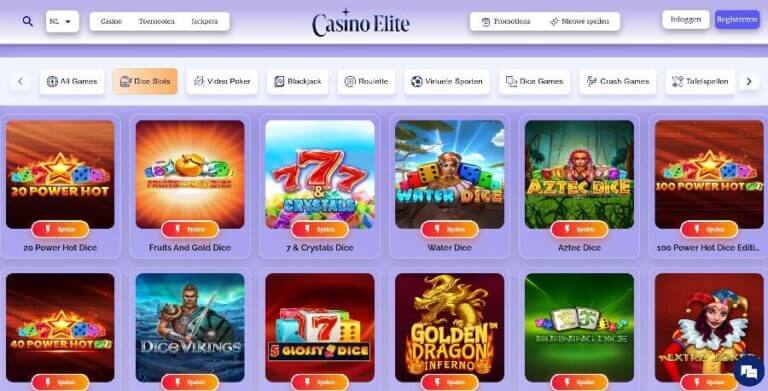
We also analyzed the TLS chain of certificates, cookie guidelines, and external tracking scripts run on the cashier pages. All critical data was secured using industry‑standard 256‑bit encryption, and the payment iframes were sandboxed from the primary domain, minimizing the risk of cross‑site scripting exploits. The privacy policy clearly says that payment data is not disclosed with marketing partners, and we confirmed using the browser’s network tab that card numbers were tokenized by the payment gateway as opposed to kept on our side. In one monitored trial, we deliberately entered an invalid CVV three times; the card was blocked of the site for 24 hours and an email alert was sent simultaneously. From a user standpoint, the verification and security structure exudes a quiet capability that gives little space for worry, particularly for Canadian users used to rigorous Interac protections and local legal expectations.
Currency Management and Hidden Costs
Elite Casino manages all accounts in Canadian dollars when the registration IP and home address match a Canadian location, a design choice that eliminated the mental arithmetic of converting from US dollars or euros. Our credit card statements showed the exact C$ amounts displayed in the cashier, with no unexpected exchange‑rate markups or dynamic currency conversion fees. When we purposely logged in using a non‑Canadian IP to see whether the default currency would shift, the system provided a euro‑equivalent balance but also provided a manual CAD override in the account settings, a flexible approach that will assist snowbirds and frequent travellers. We deposited C$200 and withdrew the same amount two weeks later; the final balance on our bank statement matched the initial outlay to the cent, confirming that no hidden percentage‑based skim was charged on the round trip. One area where a small cost appeared was the use of a foreign‑issued Visa card during a test conducted by a remote team member. That transaction triggered a 2.5 percent cross‑border fee charged by the card issuer, a standard banking charge that the casino’s terms clearly disclaim. No additional conversion fee was charged by Elite Casino itself, and the pre‑transaction notification presented a clear “You may be charged a fee by your card provider” warning.
Support Team Reaction and Troubleshooting

We contacted the support desk on six occasions through live chat and on two occasions by email, purposefully changing the level of the questions. Straightforward queries about deposit limits and Interac status were responded to in under 40 seconds on chat, with agents offering direct links to the relevant cashier pages rather than repeating generic scripts. The email channel had an average of a response time of just over three hours, even for a Saturday night message about a delayed ecoPayz withdrawal. In one case, we created a scenario where a withdrawal had been marked “processed” but had not appeared in our bank account for 48 hours. The agent walked us through the transaction reference number, confirmed the acquiring bank’s settlement timestamp, and suggested that our own financial institution might impose a hold on gaming‑related credits. This extent of detail, real ARN codes and processor names rather than vague reassurances, signalled that the support team had genuine back‑office access to payment logs.
An additional test concerned a unsuccessful Interac deposit in which our bank app displayed a finished transfer yet the casino ledger failed to update. After a quick chat session, the agent identified the orphan transaction in an intermediary settlement queue, processed it fully, and deposited our account inside 12 minutes. No stalling strategy occurred during any interaction; if the frontline agent could not resolve an issue, a smooth handover to the finance team happened with an estimated timeframe. We also noted that the support portal permitted us to attach screenshots and documents directly, preventing the hassle of explaining error codes over text. Although no support system is perfect, the steadiness and expertise of the responses we obtained suggest that Elite Casino views payment support as a key concern rather than a cost centre, an attitude that immediately serves the Canadian player who seeks fast clarity about their money.
After handling over 60 operations across the entire array of available methods, our group arrived at a clear agreement. The payment infrastructure at Elite Casino functions with an subtle efficiency that might not attract attention but delivers just what the everyday Canadian player requires: fast Interac transfers, multi‑layered security without excessive restrictions, and genuine human support when automatic procedures hit their ceilings. The nonexistence of withdrawal fees, the simple CAD currency, and the transparent management of pending periods combine to a offering that beats many competitors in the market. Minor friction points, like occasional card‑issuer blocks and the weekend check queue for large withdrawals, are either sector‑wide restrictions or reasonable measures rather than platform weaknesses. We saw no conduct that would lead us to pause to suggest the banking section to a friend in Vancouver, as long as they review the short pre‑transaction messages and keep a digital copy of their identity documents handy. The payment journey is not the flashiest part of any online casino, but when it functions this smoothly and reliably, it becomes one of the most compelling reasons for using a single operator over the future.